
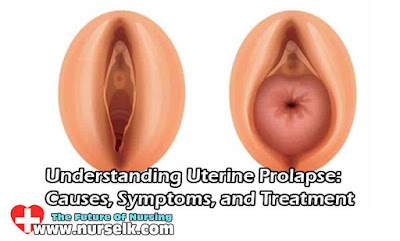
Uterine prolapse is a condition where the uterus descends from its normal position into the vaginal canal due to weakened pelvic floor muscles and ligaments. This common gynecological condition mainly affects postmenopausal women who have had one or more vaginal deliveries.
What Is Uterine Prolapse?
Uterine prolapse occurs when the pelvic floor muscles and tissues become stretched or weakened and can no longer support the uterus. As a result, the uterus drops down into or even protrudes out of the vagina. The severity ranges from mild (first-degree) to complete (fourth-degree), where the entire uterus is outside the vaginal opening.
Causes of Uterine Prolapse
The most common causes include:
-
Vaginal childbirth, especially with large babies or prolonged labor
-
Aging and menopause, due to decreased estrogen levels
-
Obesity, which increases pressure on pelvic structures
-
Chronic constipation or straining
-
Repeated heavy lifting
-
Chronic coughing from conditions like asthma or smoking
Signs and Symptoms
Many women with mild uterine prolapse may not experience noticeable symptoms. However, more advanced stages can cause:
-
A feeling of heaviness or pulling in the pelvis
-
Tissue protruding from the vagina
-
Urinary incontinence or retention
-
Difficulty with bowel movements
-
Lower back pain
-
Discomfort during sex
Symptoms typically worsen after standing or physical activity and may improve when lying down.
Diagnosis
A pelvic examination by a gynecologist is the primary method for diagnosing uterine prolapse. Additional imaging tests such as ultrasound or MRI may be used to evaluate the extent of organ descent.
Treatment Options
Treatment depends on the severity of the prolapse and the patient’s overall health and preferences.
Non-Surgical Options:
-
Pelvic floor exercises (Kegels): Strengthen muscles to support pelvic organs.
-
Pessary: A removable device inserted into the vagina to support the uterus.
-
Hormone therapy: Estrogen creams may be prescribed post-menopause to improve tissue strength.
Surgical Treatments:
-
Uterine suspension: Repositions the uterus using mesh or sutures.
-
Hysterectomy: Surgical removal of the uterus, typically used in severe cases.
Prevention Tips
-
Perform regular Kegel exercises
-
Avoid heavy lifting
-
Maintain a healthy weight
-
Treat chronic cough or constipation
-
Seek medical advice early if symptoms appear
Final Thoughts
Uterine prolapse is a manageable condition with various treatment options. Early diagnosis and lifestyle changes can significantly reduce symptoms and improve quality of life. Women experiencing signs of pelvic organ prolapse should consult a gynecologist for proper evaluation and personalized care.

No comments:
Post a Comment